Illustration Decorative Mandala Art: Freebies & Graphics for Handmade Makers
As a maker who’s shipped over 5,000 custom mugs, planner stickers, and seasonal gift tags from my Etsy shop—and designed branding assets for three local craft fairs—I opened Illustration Decorative Mandala Art expecting pretty filler. Instead, I found a quietly versatile graphic design asset that landed right in the sweet spot between elegance and usability.
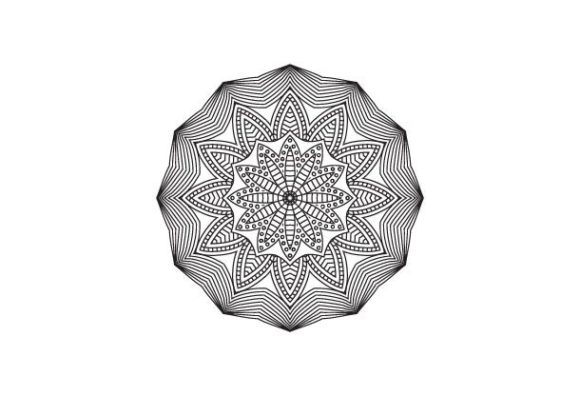
First impression? Calm, intentional, and quietly confident—not fussy or overly ornate. The linework is balanced: intricate enough to feel special on a handmade greeting card or sublimation tumbler wrap, but open enough to scale cleanly down to a 1.25” sticker or up to an 18” printable wall art piece. It leans feminine and mindful without being cliché—think modern yoga studio meets vintage botanical journal. My ideal customer (a 32–48-year-old creative who shops Etsy for meaningful, tactile goods) would pause mid-scroll. She’d recognize craftsmanship—not just clipart.
Where This Mandala Shines in Real Crafting Workflows
This isn’t a “set it and forget it” design. It’s a workhorse—with smart flexibility across tools and outputs:
- Cricut & Silhouette projects: The SVG and DXF files cut like a dream on my Explore Air 3 and Cameo 4—no jagged edges, no stray anchor points. I used the SVG to create layered vinyl mug designs (black base + gold foil mandala overlay), and the clean vector paths held up perfectly at 3.5” diameter.
- Sticker & printable design: The PNG version has crisp transparency—no fuzzy halos—and prints flawlessly on matte sticker paper. I dropped it into a set of 12 planner sticker sheets (A5 size), paired with a minimalist sans serif font for labels. No bleed, no alignment hiccups.
- T-shirt & tote bag design: At 1920×1280 px, the JPG and PNG resolutions hold up beautifully for print-on-demand services like Printful. I mocked it onto a natural linen tote—soft contrast, zero pixelation. For DTG shirts, I simplified one layer using the AI file to reduce ink density (more wearable, less stiff).
- Seasonal & gift-ready products: It’s become my go-to accent for holiday gift tags, wedding favor boxes, and spring party decorations. The symmetry reads as celebratory but not childish—ideal for adult-oriented handmade packaging.
- Small business branding: I pulled a single petal motif from the EPS file to use as a subtle watermark on my digital product covers and thank-you cards. Feels cohesive, not generic.
Where to Use It Thoughtfully—Not Just Automatically
Even great design assets have limits—and skipping these checks has cost me reprints, refunds, and rushed mockup revisions before. Here’s where Illustration Decorative Mandala Art needs your attention:
- Avoid ultra-fine cuts under 1.5mm: Some inner flourishes are delicate. On my Cricut, anything below 1.75” diameter required simplifying the SVG path in Design Space—otherwise, tiny loops got lost in the cut.
- Test contrast on dark substrates: The standard black-on-white version loses impact on navy or charcoal. I inverted the PNG and added a subtle white drop shadow for dark mugs—simple fix, big difference.
- Don’t layer vinyl blindly: The full mandala has overlapping elements. For multi-color vinyl projects, I separated layers in the AI file first—then assigned each to a distinct color and cut order.
- Sublimation requires prep: While the resolution is strong, I always convert to CMYK and run a test print on scrap polyester before committing to full tumblers. The grayscale tones in the JPG needed slight brightness boost for true vibrancy.
Practical Crafter Notes You’ll Actually Use
These aren’t theoretical tips—they’re what kept my last batch of 200 custom mandala mugs from becoming a refund spiral:
- Always test-cut before fulfilling Etsy orders. I ran a quick SVG test on scrap vinyl—even with trusted files, firmware updates sometimes shift alignment.
- Preview PNG transparency against both white and black backgrounds. What looks perfect on screen may ghost or fade on real product mockups.
- Resize intentionally—not just proportionally. At 8” wide for a printable poster, I boosted line weight slightly in Illustrator to prevent visual “disappearing” at distance.
- Pair fonts with purpose. Serif fonts (like Playfair Display) lean into its classic elegance; rounded sans serifs (like Quicksand) soften it for kid-friendly party goods; tight script fonts (like Great Vibes) elevate wedding stationery.
- Verify commercial license terms before bundling. Yes, this is listed as a freebie—but check if “commercial use” includes resale of physical items (yes) and digital product bundles (often yes, but read the fine print). I keep a screenshot of the license page for every asset I use in customer orders.
Why This Fits Seamlessly Into Your Handmade Business
I’ve built collections around single graphics before—and most fall flat after two seasons. Not this one. Illustration Decorative Mandala Art works across categories without feeling repetitive: it’s the focal point on a printable affirmation card, the subtle border on a candle label, the hero design on a limited-run enamel pin, and the background texture in a digital product bundle.
For Etsy sellers, it adds perceived value fast—especially when bundled with coordinating fonts or color palettes (I created a “Sage & Terracotta Mandala Kit” using this as the anchor). For craft fair vendors, it scales beautifully across price points: $4 sticker sheets, $24 ceramic mugs, $38 framed prints—all unified by one cohesive illustration.
It’s not flashy. It won’t trend-jack TikTok. But it’s reliable, respectful of craft time, and quietly professional—exactly what handmade businesses need when every minute counts and every customer expects intention.
If you’re curating graphics for real making—not just scrolling—you’ll reach for Illustration Decorative Mandala Art again and again. Just remember: open the AI file first, simplify where needed, test before you sell, and let the design serve your process—not the other way around.