Natural Flower Graphic for Branding and Marketing
First Impressions and Emotional Tone
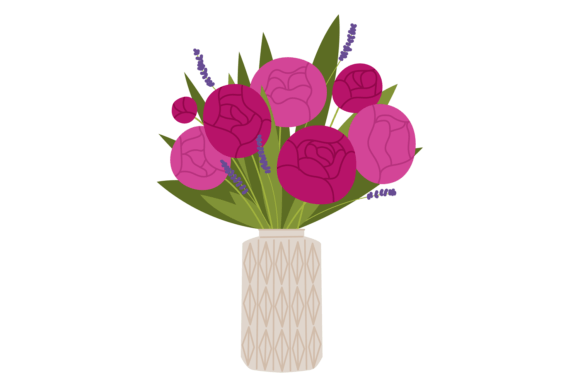
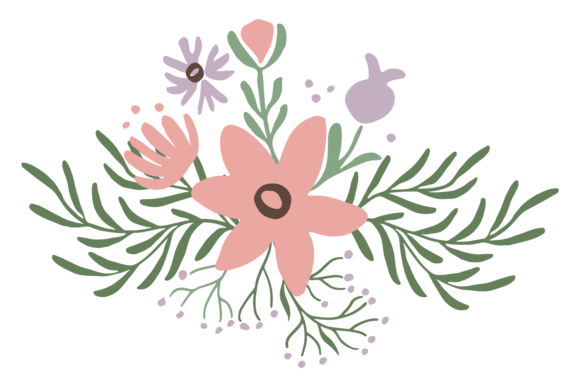
The Natural Flower Decorative Element immediately evokes a sense of calm, nature, and organic beauty. Its clean lines and soft textures create a welcoming mood that aligns well with lifestyle, wellness, and eco-conscious branding. This graphic is ideal for audiences who value simplicity, authenticity, and a touch of elegance. It feels like a natural fit for brands that want to convey warmth, approachability, and a connection to the earth.
Visual Consistency in Branding
As a brand designer, I see the importance of visual consistency in building trust and recognition. The Natural Flower Decorative Element offers a versatile asset that can be used across various brand touchpoints. Whether it's for packaging design, social media graphics, or editorial layouts, its clean and isolated format allows for easy integration into different brand identities. This makes it an excellent choice for small businesses looking to maintain a cohesive visual language without investing heavily in custom illustrations.
Marketing Use Cases and Practical Applications
This graphic is highly adaptable and can support multiple marketing initiatives. For instance, when launching a new product, the Natural Flower Decorative Element can serve as a key visual in hero graphics, product launch visuals, and branded templates. It also works well in social media campaigns, where it can be paired with lifestyle content or seasonal promotions to create a cohesive and appealing aesthetic.
In digital ads and web design, the Natural Flower Decorative Element helps establish a visual hierarchy and adds a subtle decorative touch that doesn't overwhelm the main message. It’s especially effective in Canva templates, where users can easily customize it to match their brand colors and messaging.
Supporting Marketing Goals
Using the Natural Flower Decorative Element can help achieve several marketing goals. It enhances the first impression by adding a visually appealing element that draws attention without being distracting. It supports stronger audience trust through its clean and professional look, which is essential for commercial design and brand identity.
Additionally, this graphic contributes to better engagement by creating a more memorable campaign experience. Its organic feel encourages emotional connections, making it ideal for content marketing and visual storytelling. Whether used in blog graphics, email banners, or promotional banners, it helps reinforce brand recognition and consistency.
Best Use Cases for the Design Asset
The Natural Flower Decorative Element performs best in areas where a soft, elegant touch is needed. It shines in hero graphics, campaign headers, and branded templates, where it can add a refined visual accent. It also works well in packaging accents, content bundles, and editorial layouts, where it complements other design elements without overpowering them.
For example, in a seasonal promotion for a wellness brand, this graphic could be used as a background for Instagram posts or Facebook ads, enhancing the overall aesthetic while keeping the focus on the product or offer. In a content kit for a lifestyle blog, it can serve as a recurring visual element that ties together different articles and pages.
When to Use with Caution
While the Natural Flower Decorative Element is versatile, it may not be suitable for all situations. In formal corporate branding, it might appear too casual or unprofessional. Similarly, in dense information layouts or text-heavy ads, it could compete with the main message and reduce readability.
On mobile screens, the graphic should be tested at smaller sizes to ensure it remains clear and legible. When placed on low-contrast backgrounds, it may lose some of its visual impact. Brands with overly minimal designs or those relying heavily on typography should consider how this graphic pairs with their existing visual style.
Practical Designer Notes
Before using the Natural Flower Decorative Element in a real campaign, it’s important to test it with the brand color palette. Check how it looks in black and white to ensure it maintains visual appeal in different contexts. Place it inside real campaign mockups to see how it integrates with other design elements.
Preview the graphic on mobile screens and test its readability in small sizes. Compare it against competitor visuals to ensure it stands out while maintaining professionalism. Review how it pairs with different font styles—serif, sans serif, script, and display fonts—to find the best combination for your brand.
Also, confirm the commercial license before using it in paid campaigns, client work, or business branding. This ensures you’re using the graphic within legal boundaries and maintaining the integrity of your design assets.
Conclusion and Final Thoughts
The Natural Flower Decorative Element is a valuable graphic design asset that can enhance both branding and marketing efforts. Its versatility, clean aesthetic, and emotional appeal make it a strong choice for content creators, small business owners, and designers looking to build a cohesive and professional visual identity. By understanding its strengths and limitations, you can use it effectively to support your marketing goals and connect with your target audience in a meaningful way.