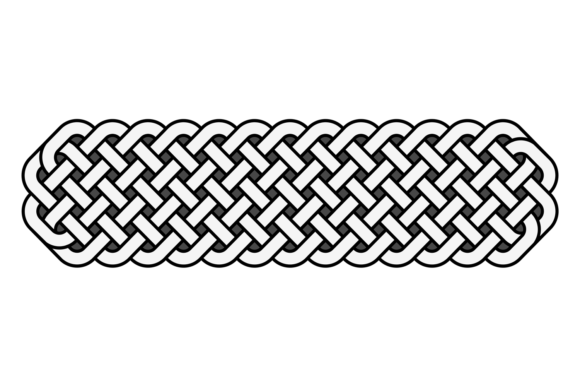
Decorative Celtic Ornament. Braid Patter
A quiet, confident knot — not flashy, but full of quiet authority
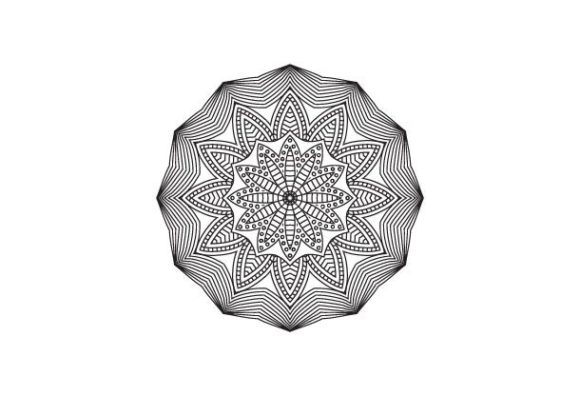
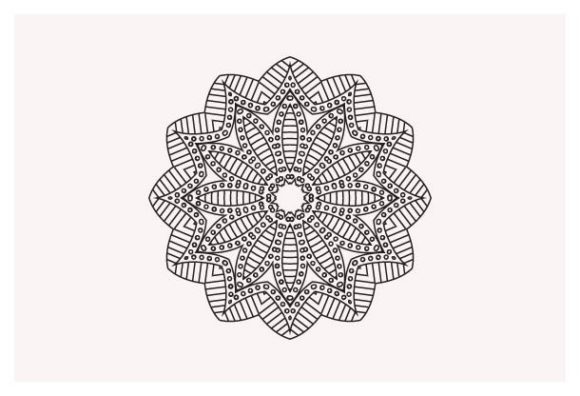
The first thing that strikes me about Decorative Celtic Ornament. Braid Patter is its restraint. This isn’t a loud, busy illustration — it’s a single vintage knot, cleanly isolated, breathing space around it. There’s no filler, no secondary motifs, no forced symmetry. Just interwoven lines with gentle tension and rhythm. It feels grounded, timeless, and quietly intentional — like something you’d find etched into an old oak doorframe or stitched onto a linen apron passed down three generations. That mood matters: it leans toward thoughtful gifting, boutique branding, and heirloom-quality handmade products rather than trend-driven fast craft.
Where it shines — and where it whispers instead of shouts
I recently tested Decorative Celtic Ornament. Braid Patter as the centerpiece for a custom embroidered tote bag — heavy natural canvas, black thread, medium-density fill stitch. The result? Crisp, legible, and deeply tactile. The braid’s clean line weight held up beautifully at 3.5 inches wide, with no bleeding or distortion in the inner loops. It worked just as well on a soft organic cotton baby onesie (using lightweight stabilizer and reduced stitch density), where its simplicity read as gentle and meaningful — not fussy or overly ornate.
It’s also found a steady home in my small shop’s holiday collection: stitched onto linen tea towels, centered on wool-blend pillow covers, and as a subtle chest motif on unisex sweatshirts. Customers consistently comment on how “calm” and “intentional” it feels — a rare reaction for an embroidery file. That emotional resonance lifts the perceived value of the finished product, especially for Etsy sellers and boutique owners who rely on authenticity over volume.
Fabrics and surfaces that ask for extra attention
Not every surface treats this design equally. On highly textured fabrics — think bouclé knits or thick terry cloth — the finer interior curves can blur slightly unless you adjust stitch density and use cutaway stabilizer. Stretchy fabrics like jersey require careful hooping and a light tear-away + topping combo; otherwise, the braid’s tight turns risk puckering. And on dark fabric? Test contrast early. While the vector-based clarity helps, very fine interior lines may vanish if your thread color lacks enough tonal separation — I always run a black-and-white mockup before stitching on charcoal or navy.
Caps and curved surfaces demand caution too. The outer contour is forgiving, but the inner knot’s compact geometry doesn’t scale down gracefully below ~2.2 inches without losing definition. For embroidered patches or small-applique accents, stick to 2.5 inches minimum — and always verify how corner details land on your specific hoop size before committing to production runs.
What it does for your craft business — beyond the stitch
Decorative Celtic Ornament. Braid Patter strengthens brand consistency when used across product families: same motif on a kitchen towel, matching apron, and gift tag creates cohesion without repetition feeling stale. Its versatility bridges personal and commercial embroidery projects — whether you’re stitching a one-off wedding gift or producing 50 embroidered patches for a local maker’s market stall.
For digital product sellers, it’s a smart addition to a curated graphics collection. As an Illustration asset (not just a machine embroidery design), it scales cleanly for printable mockups, social media banners, and packaging labels — extending its ROI far beyond the hoop. And because it’s delivered in EPS, SVG, transparent PNG, and JPG, you’re covered whether you’re prepping for embroidery software, Canva layouts, or print-on-demand platforms.
Practical notes from the hoop — not the spec sheet
- Always test first: Run Decorative Celtic Ornament. Braid Patter on scrap fabric matching your final substrate — especially for baby items or frequently washed goods like tea towels.
- Stabilizer isn’t optional: Lightweight cutaway works best for stable wovens; for knits or sheer fabrics, pair tear-away with a light water-soluble topping.
- Thread color changes everything: Try matte cotton in charcoal, heather grey, or oatmeal — avoid high-sheen threads that compete with the knot’s organic feel.
- Check licensing before selling: Since this is listed as a Graphics file, confirm whether commercial use of the finished embroidered product is permitted — especially if you plan to list on Etsy or wholesale to boutiques.
- Review stitch density in your software: Some versions of this design (depending on conversion) may run denser than needed for delicate fabrics — trim fill stitch density by 10–15% for baby embroidery or lightweight linens.
- Think beyond the hoop: Use the SVG or EPS version to create minimalist iron-on transfers, laser-cut wood ornaments, or foil-stamped stationery — expanding how far this single design asset reaches.
Final thought — it earns its place
This isn’t a design you grab for every project. But when you need something that feels both handcrafted and timeless — something that says “carefully made” before the customer even touches the fabric — Decorative Celtic Ornament. Braid Patter delivers. It works because it doesn’t try to do too much. It holds space. It invites pause. And in a world of oversaturated craft markets, that kind of quiet confidence is exactly what makes a handmade product memorable, shareable, and worth the price tag. Whether you’re stitching for joy, gifting with meaning, or building a craft business rooted in quality, this knot belongs in your working library — not as decoration, but as intention made visible.